Programme
Beat FURRER
Studie für Klavier IV (A Study for Piano IV) (World Premiere) (13′)Commissioned by Filippo Gorini (with the support from the Borletti-Buitoni Trust, as part of Sonata for 7 Cities: Hong Kong)
Johannes BRAHMS
Fantasies, Op. 116 (27′)
I. Capriccio in D minor. Presto energico
II. Intermezzo in A minor. Andante
III. Capriccio in G minor. Allegro passionato
IV. Intermezzo in E Major. Adagio
V. Intermezzo in E minor. Andante con grazia ed intimissimo sentimento
VI. Intermezzo in E Major. Andantino teneramente
VII. Capriccio in D minor. Allegro agitato
Franz SCHUBERT
Sonata in G Major, D. 894, “Fantasie” (45′)
I. Molto moderato e cantabile, “Fantasie”
II. Andante
III. Menuetto: Allegro moderato
IV. Allegretto
Introduction
Hong Kong is the third city in my Sonata for Seven Cities project journey. In each city, I present a central recital programme that includes the premiere of a new piece I commission. I believe deeply in contemporary music and want composers to be part of my journey. The rest of the repertoire is always chosen from among my absolute favourite works—pieces that have been fundamental to me both as a musician and as a person. These are the works I hope everyone has at least one opportunity to hear in their lifetime.
— Filippo Gorini
Beat FURRER (1954- )
Studie für Klavier IV (A Study for Piano IV) (World Premiere)
Programme Notes by Filippo Gorini
I would like to begin my concerts, if possible, with a bit of a shock. Austrian composer Furrer is a remarkable composer who is great at building fascinating textures on the piano or orchestra that generate a constant tension. This tension builds steadily, eventually crashing and seamlessly leading into the next section.
This piece begins with a tightly compressed, buzzing texture that gradually ascends toward the highest register of the piano. Then it crashes down, plunging listeners to the very bass end of the instrument, where a new texture emerges. This process repeats, with each new texture expanding and evolving, carrying the music forward until it reaches an ending that is almost serene and exceptionally quiet.
Johannes BRAHMS (1833-1897)
Fantasies, Op. 116
I. Capriccio in D minor. Presto energico
II. Intermezzo in A minor. Andante
III. Capriccio in G minor. Allegro passionato
IV. Intermezzo in E Major. Adagio
V. Intermezzo in E minor. Andante con grazia ed intimissimo sentimento
VI. Intermezzo in E Major. Andantino teneramente
VII. Capriccio in D minor. Allegro agitato
Brahms’ language evolved immensely throughout his life. In his early years, he emerged as a heroic titan of the piano, crafting epic sonata forms and expansive variation cycles. In the middle part of his life, he became a master of chamber music, symphonic music, concertos and more. Towards the end of his life, Brahms turned inward, creating profoundly intimate works. Whether in the clarinet sonatas, the piano pieces from Op. 116 onward, or the clarinet quintet, each note resonates with deep emotion and heartfelt expression, revealing a personal closeness.
This intimacy is also evident in the fantasies of Op. 116, which consists of seven pieces, each titled either Intermezzo or Capriccio. The Intermezzos are the most longing and poignant interior works, while the Capriccios manage to express an extroverted energy.
I. Capriccio in D minor. Presto energico
II. Intermezzo in A minor. Andante
III. Capriccio in G minor. Allegro passionato
The first piece bursts with energy and opens the set with a grand tone. It leaves space for the second piece, which is deeply touching. From the very first phrase, every note feels confessional. It is as if someone in their final years is sharing life’s lessons, secrets, regrets, and passions.
The third piece is another Capriccio, exhibiting a more heroic character, especially in the solemn middle section. It is lively and virtuosic, marked passionato. The contrast between the Capriccio and the Intermezzo is strong. The change from one to the other leaves behind calm intimacy and plunges into vibrant energy.
IV. Intermezzo in E Major. Adagio
The fourth piece begins in nothingness with a crossing of hands. It revolves around the key of E major, but filled with harmonic uncertainty. Each note seems to pull listeners away from the key or gently bring them back. There is a shadow of doubt in every sound, raising more questions than answers. These questions feel deeply existential and touching. In the middle, the music falls to a very soft pianissimo. It is as if it cannot get any quieter, yet it fades even further, becoming almost a whisper.
V. Intermezzo in E minor. Andante con grazia ed intimissimo sentimento
VI. Intermezzo in E Major. Andantino teneramente
VII. Capriccio in D minor. Allegro agitato
The fifth piece is graceful and relatively brief, characterized by a steady motion with intricate harmonies. In contrast, the sixth piece possesses the character of a choral. The final Capriccio concludes the set with grand energy and an epic tone.
Franz SCHUBERT (1797-1828)
Sonata in G Major, D. 894, “Fantasie”
I. Molto moderato e cantabile, “Fantasie”
II. Andante
III. Menuetto: Allegro moderato
IV. Allegretto
Schubert’s G major sonata, along with his last sonata in B-flat major, achieve something almost impossible: reconciling the long, epic scale of a symphony, with the intimacy of sonata form and a solo instrument.
The G major sonata, in particular, has an overarching quality centered around a miraculous stillness, as if we are not yet in Schubert’s final years. Written in 1826, two years before his death, it reflects a time when hope and beauty in life were still present. In contrast, the works from Schubert’s final year reveal a deeper sense of questioning and longing.
I. Molto moderato e cantabile, “Fantasie”
The sonata opens with a tranquility and calm that begins right from the very first chord: a simple G major. The themes develop slowly over long musical arcs, making careful control of phrasing, sound, and harmonic balance essential.
Remarkably, the piece begins from almost nothing—pianissimo—which is unusual. Most works start at a comfortable dynamic level, either piano or forte. Here, the music quietly whispers for quite some time, gradually building from its delicate beginning.
The beginning of the development section is the most striking moment of the entire sonata. Suddenly, the gentle gestures that opened the movement give way—almost without warning—to a fortissimo outburst in G minor. This sudden eruption of intense emotion gives an impression of an abrupt rupture of pain, seemingly unprovoked. Yet it gradually leads back to the original calm and tranquility. This dramatic contrast adds profound depth to the music, even more so than the return to the opening character.
II. Andante
The second movement is deeply lyrical, featuring beautiful melodies and exquisite harmonic treatment. It alternates between lyrical sections and more intense passages. It closes quietly in pianissimo, fading into the stillness of the key of D major.
III. Menuetto: Allegro moderato
The third movement is a Minuet that begins with remarkable intensity. Instead of the usual light and graceful style, it opens energetically in forte, departing from the expected lightness and elegance. This movement is rhythmically driven, full of energy and expressive power.
In the trio section, the music undergoes a miracle: it drops to pianissimo, then even softer through “pianississimo” marking. This is one of those rare moments in Schubert’s music where every sound, no matter how faint, commands listeners’ full attention.
IV. Allegretto
The final movement is a dance, as often found in Schubert’s music. It is playful and sometimes even slightly humorous. This journey, which began in calm, has taken listeners through moments of terror, lyricism, poetry, vigor, crossing a lifetime’s worth of emotions. It ends with a joyful sense of playfulness and dance.
Sonata for Seven Cities
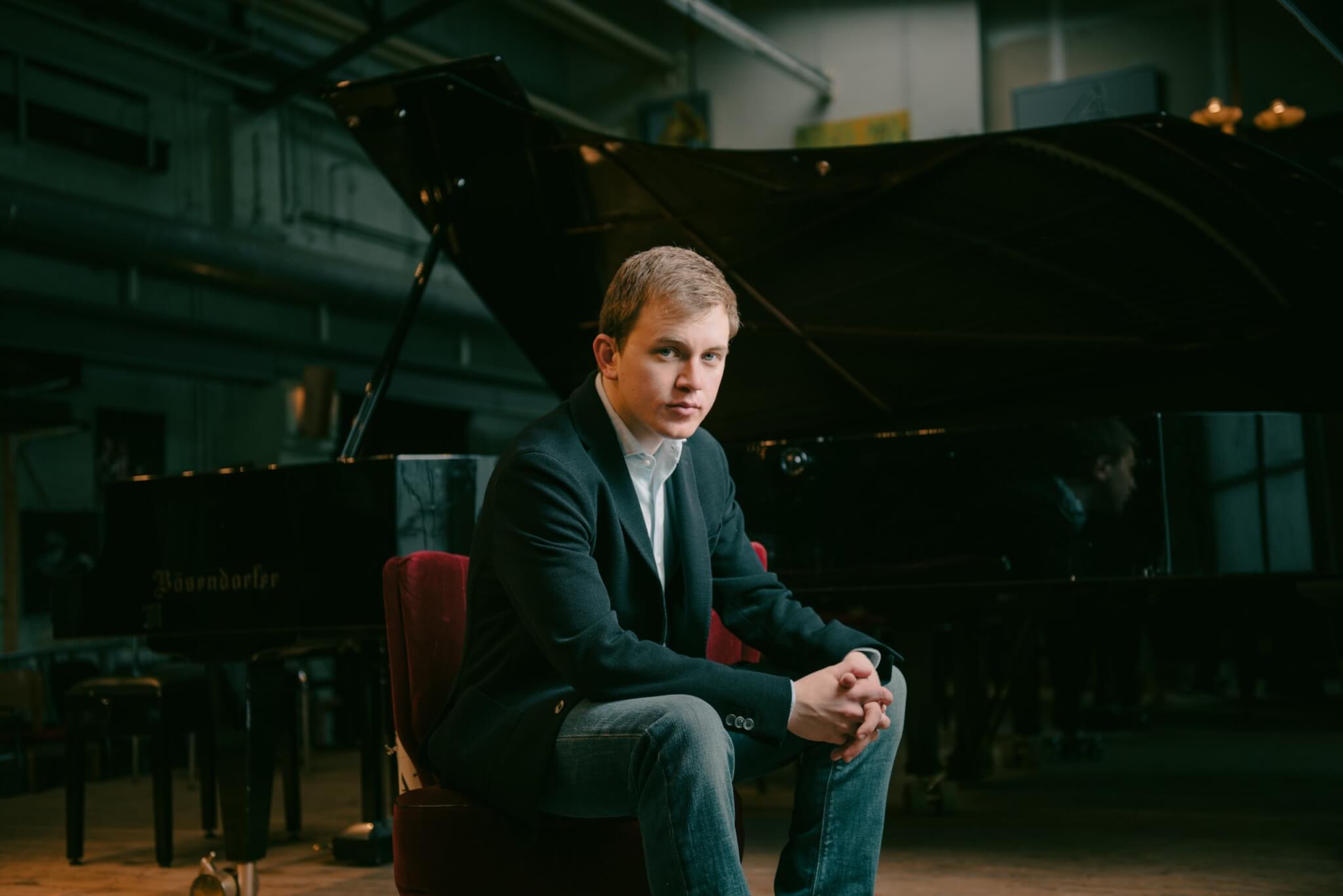 Born from Filippo Gorini’s bold artistic vision, Sonata for Seven Cities is a groundbreaking global project with residencies in Vienna, Cape Town, Hong Kong, Portland, Bogotá, Medellín, and Milan. Rejecting the typical whirlwind concert tour, Gorini spends an entire month immersed in each city, creating deep and lasting connections with local communities through concerts and extensive educational outreach events.
In Hong Kong, Gorini’s residency will include performances for underprivileged children, refugees, the blind community, and the homeless, in collaboration with organisations such as the Music Children Foundation, Musical Chaos Foundation, RUN Hong Kong, Hong Kong Blind Union, and Impact Hong Kong.
A cornerstone of the project is education. Gorini will mentor a select group of piano students throughout his month-long residency, conduct masterclasses at institutions such as The Hong Kong Academy for Performing Arts, Hong Kong Education University, Hong Kong Baptist University and RC Music Academy, and collaborate with musicians from the Hong Kong Philharmonic Orchestra for a chamber music performance.
Biography
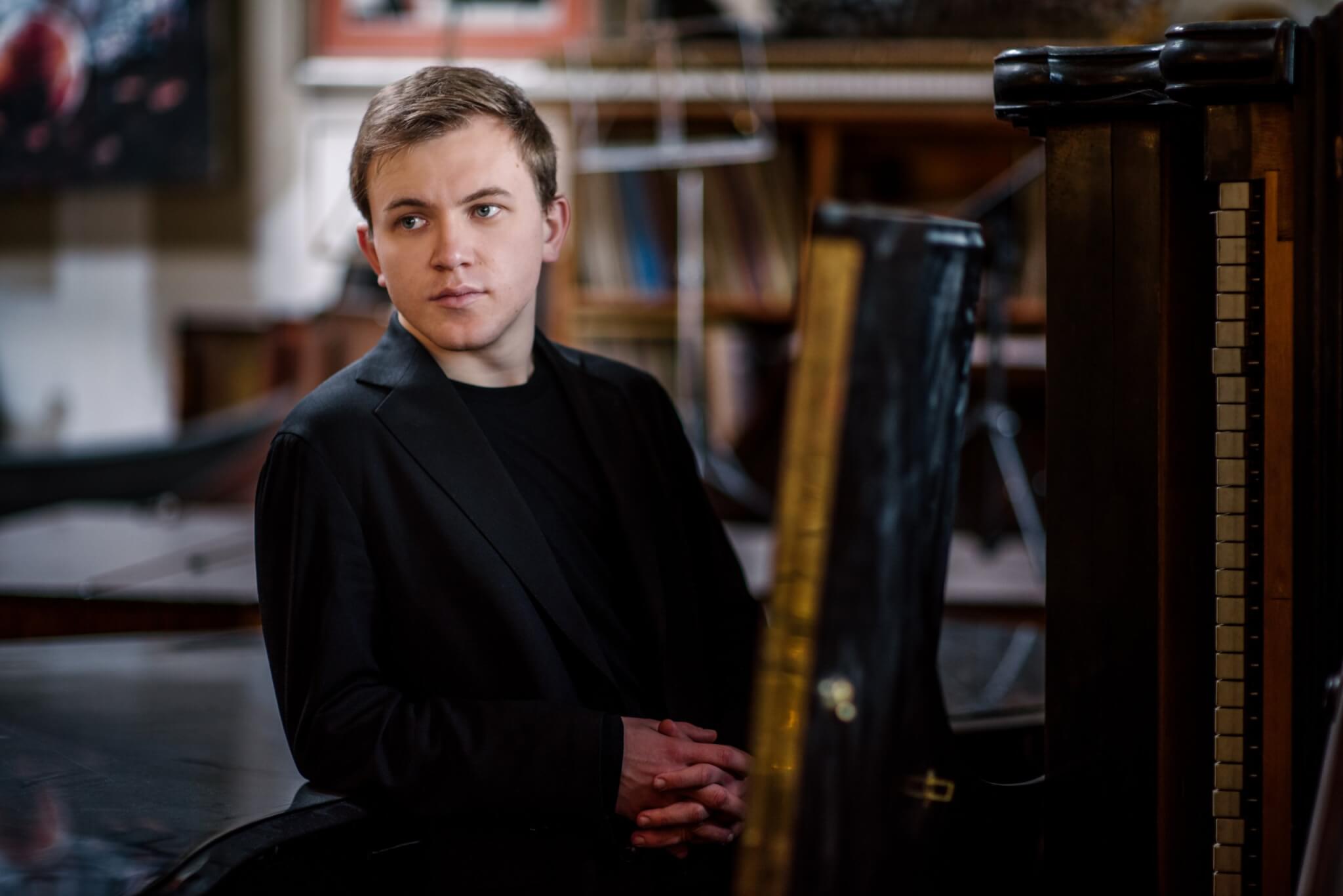
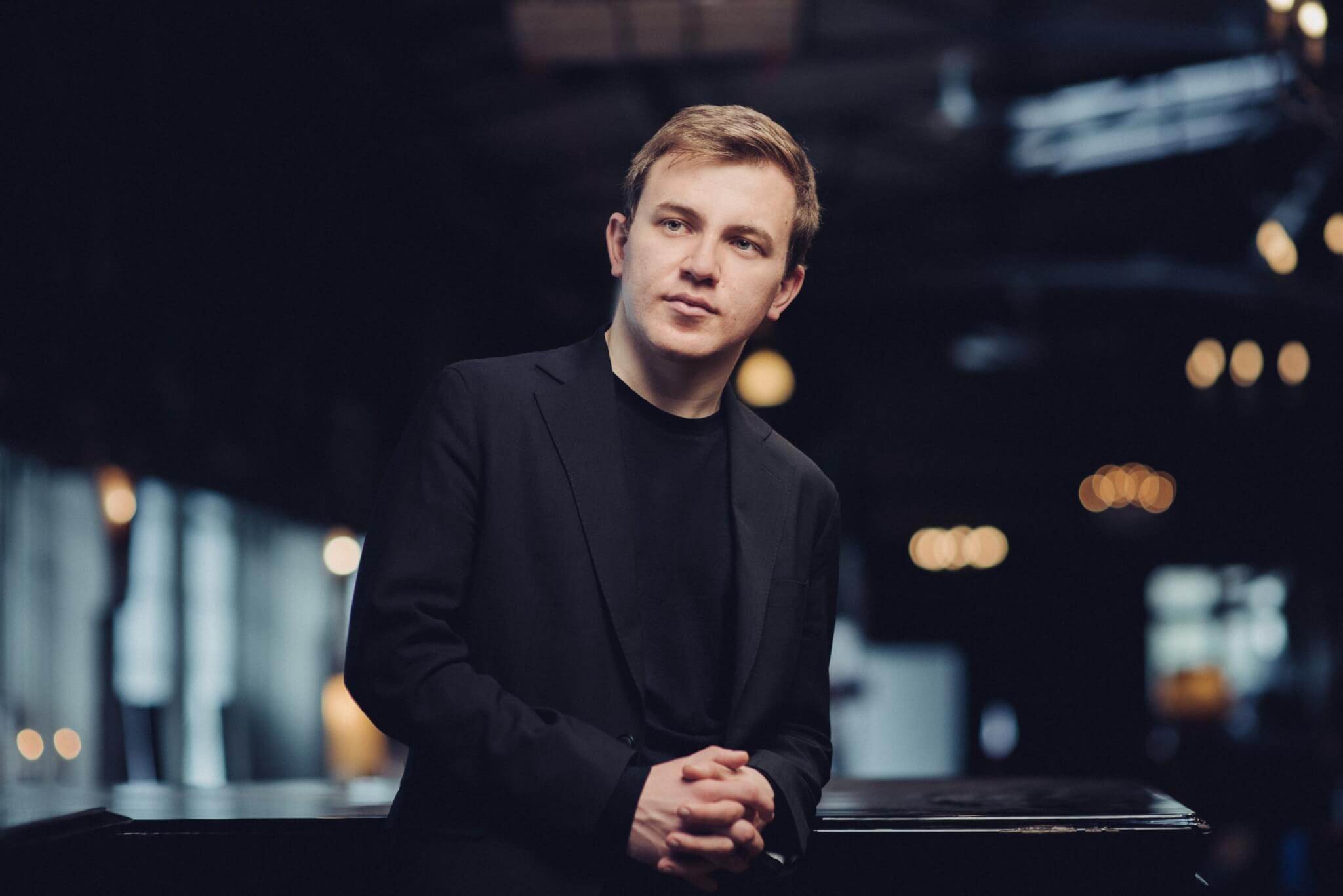
Filippo Gorini, Piano
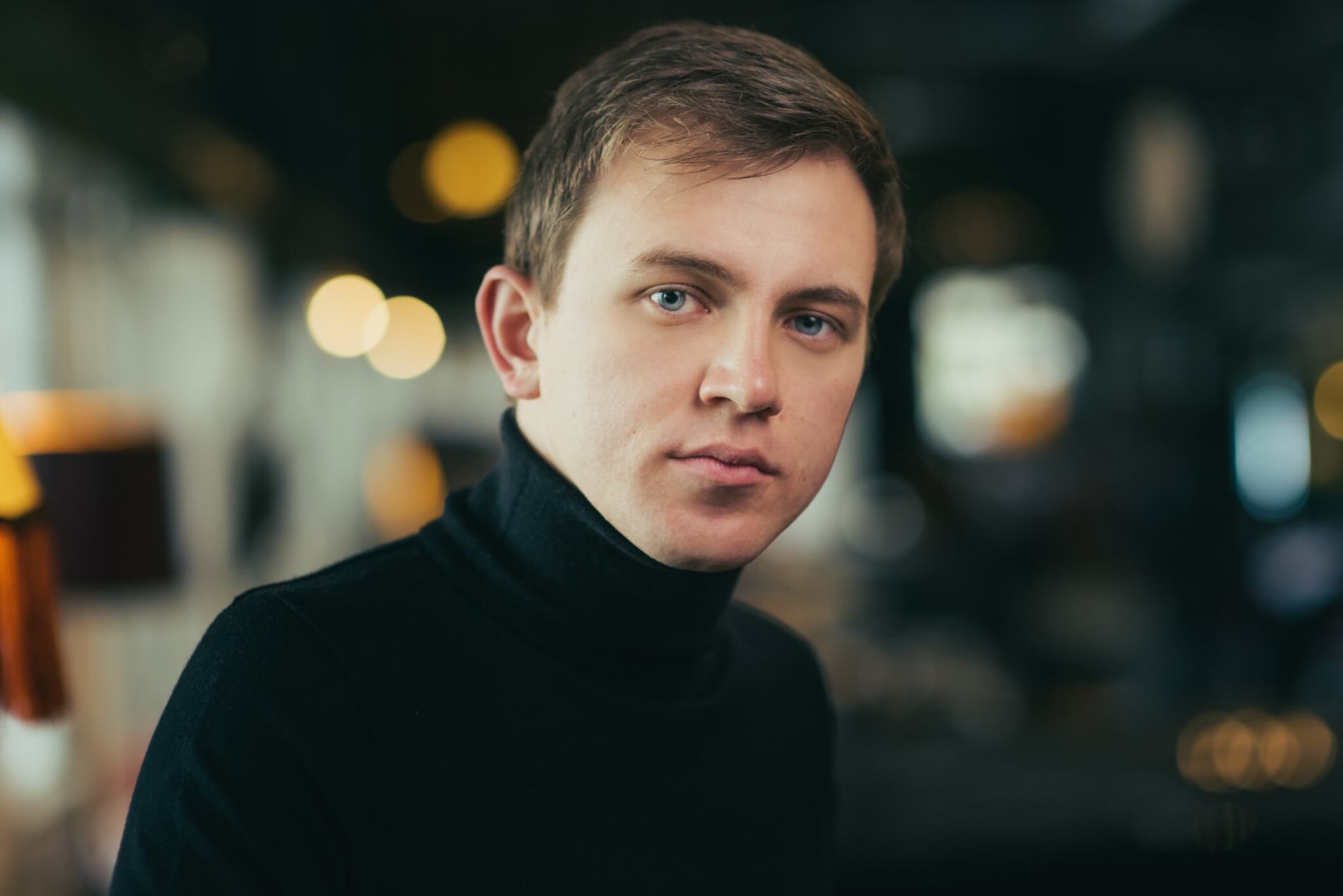
Filippo Gorini’s musicianship has drawn acclaim in recitals in the major venues in Europe and abroad, ranging from Milan’s Teatro alla Scala to the Amsterdam Concertgebouw, Berlin Konzerthaus, and Louis Vuitton Foundation Paris, as well as with orchestras such as the Santa Cecilia Orchestra in Rome, the Salzburg Mozarteum Orchester, the Flanders Symphony Orchestra, the Gyeonggi Philharmonic in Seoul, the Opera Nacional de Chile, under conductors such as Daniele Gatti, Hartmut Haenchen, Junichi Hirokami.
Filippo’s highlights from 2024-25 include his recital debut in Carnegie Hall, his one-month residency at the Vienna Konzerthaus, and concertos with the Orchestre Nationale de Lille and Nagoya Philharmonic. In 2025-2026, he will have one-month residencies in Cape Town for Stellenbosch University, in Hong Kong for Premiere Performances, and in Oregon for Portland Piano International, as well as returns to Wigmore Hall and La Scala for recitals.
His ongoing project “Sonata for 7 cities” , set to end in 2027, aims to show a new, responsible and ethical approach to concert life with monthly residencies in Vienna, Cape Town, Hong Kong, Portland, Medellín, Milan and more, centred around performances, outreach, teaching, and philanthropy. During this project, he will also perform seven newly commissioned piano pieces by composers Stefano Gervasoni, Federico Gardella, Beat Furrer, Michelle Agnes Magalhaes, Yukiko Watanabe, Oscar Jockel, Ondrej Adamek. This journey will also be covered in a documentary series by director Ruggero Romano and by the release of seven live albums on Alpha Classics.
Filippo’s previous multi-year project “The Art of Fugue Explored” had already shown his vision and creativity to go further than just his performing abilities: with the support of the Borletti-Buitoni Trust, he released the work on Alpha Classics in 2021, performed it internationally over 30 times, and published on RAI5 and online a series of filmed conversations on Bach’s music involving personalities such as Peter Sellars, Frank Gehry, Sasha Waltz, Alexander Sokurov, Alexander Polzin, Alfred Brendel, George Benjamin, and many more. A filmed live-performance is also available on Carnegie+.
Filippo has received the “Premio Abbiati”, the most prestigious musical recognition in Italy, in 2022, as well as the Borletti-Buitoni Trust Award 2020 and First Prize at the Telekom-Beethoven Competition 2015. His three albums featuring Beethoven and Bach’s late works, released on Alpha Classics, have garnered critical acclaim, including a Diapason d’Or Award and 5-star reviews on The Guardian, BBC Music Magazine, Le Monde.
Alongside his solo career, Filippo has performed chamber music with musicians such as Marc Bouchkov, Itamar Zorman, Pablo Ferrandez, Brannon Cho and Erica Piccotti, in renowned festivals such as the Marlboro Music Festival, the Prussia Cove Chamber Music Seminars, as well as “Chamber Music Connects the World” in Kronberg with Steven Isserlis. He has taught masterclasses at the Liechtenstein Musikakademie, the University of British Columbia, the Royal Welsh College of Music, and the conservatories in Bergamo and Siena. He follows actively the world of contemporary composition, and has played works by composers such as Stockhausen, Kurtág, Boulez and Lachenmann as well as commissioning new pieces.
After graduating with honours from the Donizetti Conservatory in Bergamo and the Mozarteum University in Salzburg, Filippo’s development was further supported by Maria Grazia Bellocchio, Pavel Gililov, Alfred Brendel and Mitsuko Uchida.
https://keynoteartistmanagement.com/artists/filippo-gorini/
The content of this programme does not reflect the views of the Government of the Hong Kong Special Administrative Region.